Ways to Warm Up Your Home Without Buying a Heater
If your home feels cold but turning up the heat isn’t an option (or the utility bill already feels personal), this guide is for you. After years of living in rentals without reliable heating, I’ve learned that warmth isn’t about blasting the thermostat—it’s about layering softness, blocking drafts, and designing your space to actually hold heat. From rugs and throws to lighting and bedding, these renter-friendly tips will help you warm up your home without buying a heater, renovating, or sacrificing style. Cozy, practical, and budget-smart—exactly how home should feel.
1/26/20265 min read
There is a very specific kind of cold that only exists inside a rental. It’s the kind that creeps up through tile floors, settles near drafty windows, and somehow feels colder than actually being outside. If you don’t have central heating, or you’re keeping the thermostat low to save money, you already know that simply “turning up the heat” isn’t always an option.
The good news is that warming up your home isn’t exclusively about temperature. It’s about how your body experiences your space. After years of living in rentals, older homes, and places where the heat was unreliable or wildly expensive, I’ve learned that the warmest homes aren’t necessarily the one's ruled by the Heat Miser.
They are the homes designed to hold warmth. (And yes, you can absolutely do this without expensive renovations or asking the landlord permission.)
Warmth Starts Where Your Body Touches the Room
If there is one guiding principle to remember it's this: cold surfaces steal heat from your body, while soft materials trap it. That’s why the fastest way to make a home feel warmer is to add softness everywhere you sit.
And I mean everywhere.
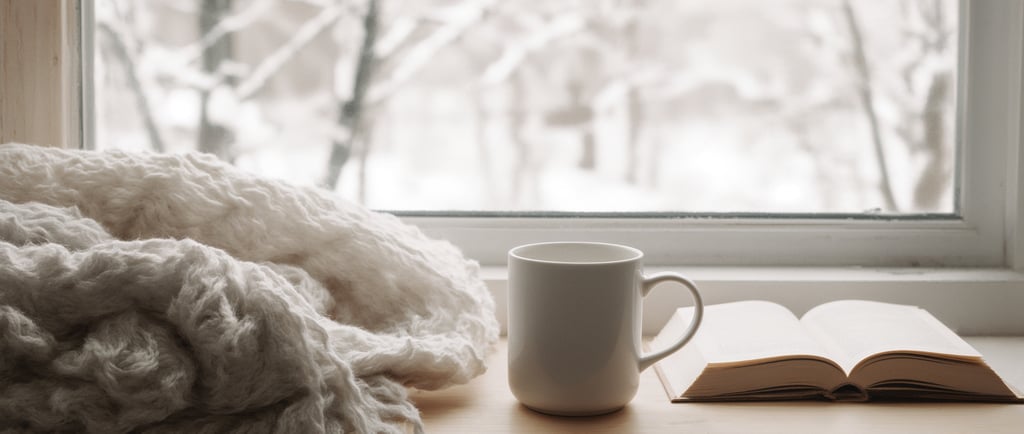
A throw blanket on the couch is functional insulation, and it doesn't hurt that it makes the space look cute too. The same goes for an armchair, a desk chair, or the corner of a sectional where you always end up at night. When those surfaces are layered with soft textiles, the room feels warmer almost instantly.
This is where thoughtfully chosen throw blankets quietly do a lot of work. Textured knits, fleece-lined cotton, and soft woven throws add warmth without looking cluttered. These are also the kinds of pieces that are easy to source affordably and easy to link subtly, because they solve a real, everyday problem rather than feeling like a styled purchase.
The Case for a Heated Blanket That Doesn’t Look Like One
If you’re trying to keep your heat low at night or during long evenings at home, a heated blanket can be one of the most practical upgrades you make—if you choose the right kind.
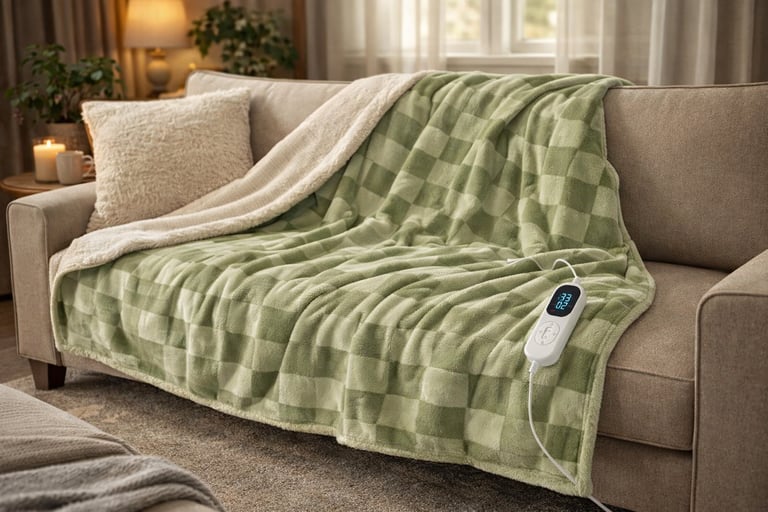
A throw-sized heated blanket that looks like a normal blanket when it’s folded or draped blends seamlessly into your space. When you need it, it becomes a personal heat source that lets you stay comfortable without touching the thermostat. When you don’t, it still looks good sitting on the sofa.
Maybe it's the millennial in me habitually living my Warped Tour memories in my dreams, but I am obsessed with this checkered heated throw blanket (and the best part is it has a two-hour auto shut off.)
This is one of those rare purchases that genuinely earns its place. It reduces energy use, increases comfort, and doesn’t require you to heat an entire room just to stay warm on the couch.
Rugs Are Doing More Work Than You Think
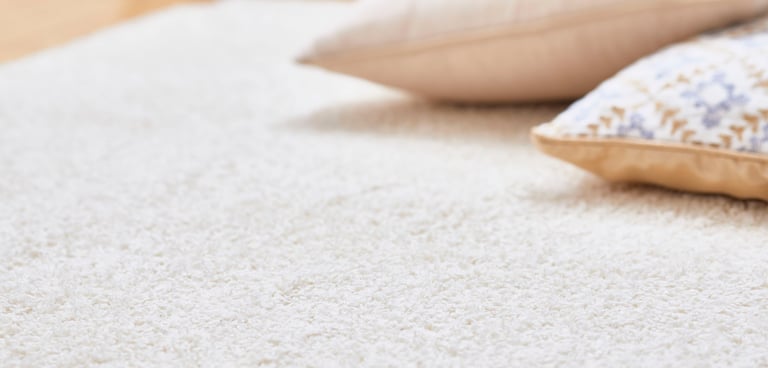
Cold floors are one of the biggest reasons a home feels perpetually chilly. If your feet are cold, the rest of your body will be cold. Rugs act as a thermal barrier, preventing heat from being pulled away through tile, laminate, or concrete.
In rentals—where replacing flooring isn’t an option—rugs are essential. A properly sized area rug in the living room, a runner beside the bed, or even a soft, washable rug in the kitchen can dramatically change how warm a space feels. Layered rugs add even more insulation while also making a room feel finished and intentional.
I go much deeper into this in my room-by-room guide to buying the perfect rug, which I recommend reading if you are overwhelmed by rug sizing and placement. A rug that’s too small won’t deliver the warmth you’re hoping for, but the right one can completely change the way a room feels.
Drafty Windows Are Quietly Stealing Your Heat
Even newer rentals can have subtle window drafts that make a space feel colder than it should. You don’t need new windows to fix this—you just need to slow down airflow.
Heavier curtains make a noticeable difference, especially when they extend beyond the window frame and fully cover the glass (this is also a pro-tip for making your space feel more luxurious). Adding thermal curtain liners behind decorative panels helps trap warm air inside without changing the look of your room. These thermal curtains from DriftAway are sound-proof and block light and come in a variety of sizes to keep your rooms feeling cozier.
This is one of the simplest renter-friendly upgrades you can make, and it works surprisingly well.
Lighting Can Make a Room Feel Colder—or Warmer
Lighting has a huge psychological impact on how warm a space feels. Bright white or daylight-toned bulbs can make a room feel stark and chilly, even if the temperature is technically comfortable.
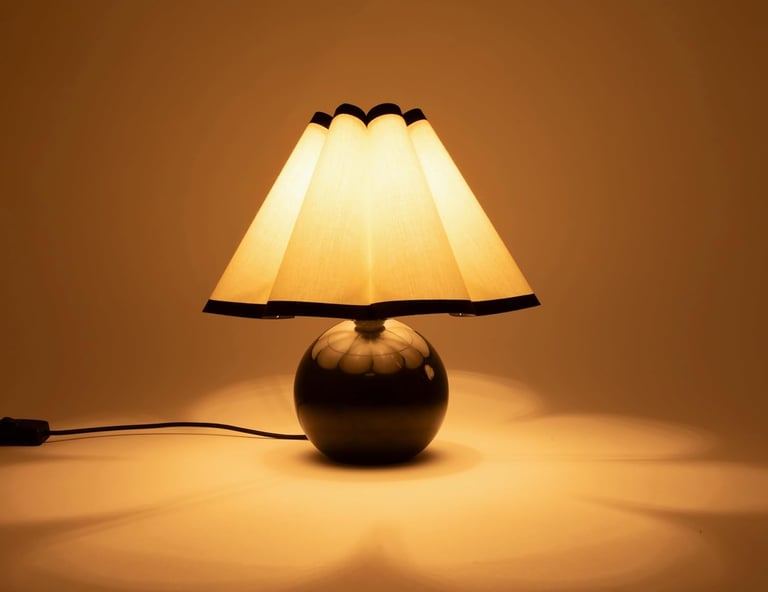
Switching to warm-toned bulbs and relying more on table lamps, like this cute marble-based 10" lamp, instead of overhead lighting instantly softens a room. Layered lighting creates pools of warmth that make a space feel inviting, relaxed, and—yes—warmer. This is one of the easiest changes you can make, and it doesn’t require buying anything large or permanent.
Make the Bed the Warmest Place in the House
Even if the rest of your home stays cool, your bed should feel like a retreat. Layered bedding traps warmth and makes a noticeable difference overnight.
A substantial duvet, breathable but insulating sheets, and an extra throw at the foot of the bed all work together to hold heat. In colder months, brushed cotton or flannel sheets are especially effective. These fleece sheets are something I have never experienced before this year, but literally feel like sleeping inside a teddy bear. This is one area where investing in quality textiles pays off quickly, particularly in older homes or rentals with inconsistent heating.
A Warm Home Is a System, Not a Single Purchase
The most important thing to understand is that warmth isn’t created by one product. It’s created by a system—soft surfaces, insulated floors, blocked drafts, warm lighting, and thoughtful layering.
When you focus on how your body actually experiences your home, you can stay comfortable without relying on a heater or driving up your energy bill. This approach is renter-friendly, budget-conscious, and rooted in good design.
If you’re looking for more ways to make your home feel better without renovation, my guide to renter-friendly home refreshes goes deeper into small, practical changes that actually last. Because feeling warm and comfortable in your home shouldn’t require permission—or a higher utility bill.